
الدكتورة رانيا المشاط: 9.5 مليار دولار تمويلات ميسرة لدعم الموازنة من الشركاء الدوليين

كتبت :إيمان خالد خفاجي
تمويلات دعم الموازنة مرتبطة بإصلاحات هيكلية شاملة اقتصادية واجتماعية وقطاعية وفق إطار زمني واضح
• أكثر من 150 إجراءً وسياسة وإصلاح هيكلي تنفذها الدولة للحصول على التمويلات في مختلف قطاعات الدولة والعمل الحكومي
• الهدف من تلك الإجراءات الحفاظ على زخم الإصلاح وإطلاق إمكانات الاقتصاد المصري وزيادة تنافسيته
• استمرار الإصلاح السبيل الوحيد لتعزيز ثقة مجتمع الأعمال والمستثمرين والبناء على التحسن الاقتصادي الذي شهدناه 2025
• التمويلات الميسرة إحدى أقل أدوات التمويل تكلفة وتُسهم في توسيع الحيز المالي للموازنة العامة للدولة وإطالة آجال الدين
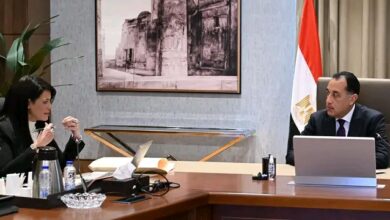
أعلنت الدكتورة رانيا المشاط، وزيرة التخطيط والتنمية الاقتصادية والتعاون الدولي، أن إجمالي التمويلات التنموية الميسرة التي تم الاتفاق عليها مع شركاء التنمية متعددي الأطراف والثنائيين، لدعم الموازنة العامة للدولة، بلغت نحو 9.5 مليار دولار للفترة من 2023-2026.
جاء ذلك عقب إعلان موافقة الاتحاد الأوروبي، على الشريحة الأولى من المرحلة الثانية لآلية دعم مساندة الاقتصاد الكلي ودعم الموازنة العامة للدولة، بقيمة مليار يورو.
وأوضحت الدكتورة رانيا المشاط، أن التمويلات الميسرة التي تم الاتفاق عليها مع شركاء التنمية تأتي ضمن جهود الدولة لتنفيذ البرنامج الوطني للإصلاحات الهيكلية، كما أنها مرتبطة بإصلاحات هيكلية شاملة اقتصادية واجتماعية وقطاعية وفق إطار زمني واضح، وذلك بهدف الحفاظ على زخم الإصلاح وإطلاق إمكانات الاقتصاد المصري وزيادة تنافسيته، كما أن استمرار الإصلاح هو السبيل الوحيد لتعزيز ثقة مجتمع الأعمال والمستثمرين والبناء على التحسن الاقتصادي الذي شهدناه 2025.
وأضافت وزيرة التخطيط والتنمية الاقتصادية والتعاون الدولي، أن التمويلات الميسرة تُعد إحدى أقل أدوات التمويل تكلفة في الأسواق الدولية، كما تُسهم في زيادة الحيز المالي المتاح للموازنة العامة للدولة وإطالة آجال الدين، وهو ما يتسق مع الجهود التي تقوم بها الدولة للحفاظ على تعزيز استدام الدين وزيادة آجاله وخفض أعباءه على المدى القصير.
ونوهت بأن التمويلات الميسرة تتضمن نحو 795 مليون دولار ضمانات لإصدار سندات الباندا والساموراي بواقع 200 مليون دولار من البنك الآسيوي للاستثمار في البنية التحتية، و595 مليون دولار، من البنك الأفريقي للتنمية، وهو ما يُعزز تواجد مصر في الأسواق الدولية، من خلال إصدار أدوات تمويل بعائد منخفض لتمويل مشروعات التنمية المستدامة، ويدعم جهود تنويع مصادر التمويل.
بالإضافة إلى 4 مليارات يورو (ما يعادل 5.7 مليار دولار) ضمن آلية مساندة الاقتصاد الكلي ودعم الموازنة من الاتحاد الأوروبي، و1.3 مليار دولار تمويل سياسات التنمية ودعم موازنة التأمين الصحي الشامل وبرنامج تكافل وكرامة من البنك الدولي، و557 مليون دولار من الوكالة اليابانية للتعاون الدولي لدعم موازنة التأمين الصحي الشامل، وتطوير القطاع الخاص ودعم التنوع الاقتصادي.
كما تتضمن التمويلات أيضًا 221 مليون دولار من الوكالة الفرنسية للتنمية دعم موازنة لبرنامج التأمين الصحي الشامل، و300 مليون دولار من البنك الآسيوي للاستثمار في البنية التحتية لتمويل سياسات التنمية، و572 مليون دولار من البنك الأفريقي للتنمية، لدعم الأمن الغذائي والصمود الاقتصادي وتمكين القطاع الخاص.
وذكرت الدكتورة رانيا المشاط، أن مختلف تلك التمويلات تأتي في إطار تنفيذ البرنامج الوطني للإصلاحات الهيكلية، الذي يستهدف صياغة سياسات وإجراءات الإصلاح الهيكلي بالتنسيق مع الوزارات والجهات المعنية بما يتسق مع الاستراتيجيات القطاعية، وذلك وفق إطار زمني واضح، ولتحقيق ثلاثة أهداف رئيسية هي تعزيز استقرار الاقتصاد الكلي، وزيادة القدرة التنافسية للاقتصاد وتحسين بيئة الأعمال، ودعم التحول إلى الاقتصاد الأخضر.
ونوهت بأن إجراءات الإصلاحات الهيكلية لدعم الموازنة التي تبلغ نحو 150 إجراءً، تأتي ضمن إطار أوسع من الإصلاحات الكاملة ضمن البرنامج الوطني للإصلاحات الهيكلية، جزء منها تم تنفيذها بالفعل، تغطي هذه الإجراءات مختلف قطاعات الأداء الحكومي، وتنفذها أكثر من 40 جهة وطنية، في مجال الإصلاحات الضريبية، وتسهيل التجارة، وحوكمة الاستثمارات العامة، والحماية الاجتماعية، وتعزيز مشاركة القطاع الخاص، وتعزيز فرص العمل اللائقة، ودعم الشركات الناشئة والابتكار، وتعزيز التنافسية الصناعية، وغيرها من القطاعات.
Following the Approval of a New Tranche Under the European Union Budget Support Mechanism
Dr. Rania Al-Mashat: $9.5 Billion in Concessional Financing Mobilized to Support the State Budget and Implement the National Structural Reforms Program (2023–2026)
• Al-Mashat: Budget support financing is linked to comprehensive economic, social, and sectoral structural reforms within a clear, time-bound framework
• More than 150 structural reform measures are being implemented to unlock financing across key sectors
• Reforms aim to sustain momentum, unlock economic potential, and enhance competitiveness
• Continued reforms remain essential to strengthening investor confidence and building on the economic recovery achieved in 2025
• Concessional financing expands fiscal space and extends debt maturities at lower cost
H.E. Dr. Rania Al-Mashat, Minister of Planning, Economic Development, and International Cooperation, announced that total concessional development financing mobilized with multilateral and bilateral development partners to support Egypt’s general budget reached approximately $9.5 billion during the period 2023–2026.
This announcement follows the European Union’s approval of the first tranche of the second phase of the Macro-Financial Assistance (MFA) and Budget Support Mechanism, amounting to €1 billion.
Dr. Al-Mashat explained that this concessional financing package is aligned with the implementation of the National Structural Reforms Program, and is directly linked to a comprehensive set of economic, social, and sectoral reforms implemented within a clear and time-bound framework. These reforms are designed to sustain reform momentum, unlock the Egyptian economy’s productive potential, and enhance overall competitiveness. She emphasized that continued reform remains the only path to strengthening the confidence of the business and investment community and consolidating the economic improvement witnessed in 2025.
The Minister added that concessional financing represents one of the least costly financing instruments available in international markets, contributing to the expansion of fiscal space within the State budget, the extension of debt maturities, and the reduction of short-term financing pressures—consistent with national efforts to enhance debt sustainability and improve debt management.
Dr. Al-Mashat noted that the concessional financing package includes approximately $795 million in guarantees supporting the issuance of Panda and Samurai bonds, comprising $200 million from the Asian Infrastructure Investment Bank (AIIB) and $595 million from the African Development Bank (AfDB). These guarantees enhance Egypt’s access to international capital markets through lower-yield instruments that support sustainable development projects and help diversify financing sources.
The overall financing package also includes:
● €4 billion (approximately $5.7 billion) under the European Union’s MFA and Budget Support Mechanism;
● $1.3 billion from the World Bank in Development Policy Financing and budget support for the Universal Health Insurance System and the Takaful and Karama social protection program;
● $557 million from the Japan International Cooperation Agency (JICA) to support the Universal Health Insurance budget, private sector development, and economic diversification;
● $221 million from the French Development Agency (AFD) as budget support for the Universal Health Insurance Program;
● $300 million from the Asian Infrastructure Investment Bank for Development Policy Financing; and
● $572 million from the African Development Bank to support food security, economic resilience, and private sector empowerment.
H.E. Dr. Rania Al-Mashat affirmed that all these financing arrangements fall within the framework of implementing the National Structural Reforms Program, which aims to formulate and execute reform policies in coordination with relevant ministries and entities, in line with sectoral strategies and within a clear timeline. The program is anchored around three core objectives: strengthening macroeconomic stability, enhancing competitiveness and improving the business environment, and supporting the transition to a green economy.
She concluded by noting that the structural reform measures linked specifically to budget support, totaling approximately 150 measures, are part of a broader and comprehensive reform framework encompassing around 430 reform actions, many of which are already under implementation. These measures are being executed by more than 40 national entities and span key areas including tax reform, trade facilitation, public investment governance, social protection, private sector participation, decent job creation, innovation and start-ups, industrial competitiveness, and other priority sectors.