
لجنة الأمم المتحدة المعنية بحقوق الشعب الفلسطيني ومنظمة التعاون الإسلامي تعقدان مؤتمراً دولياً بشأن قضية القدس


كتب: محمد عوض
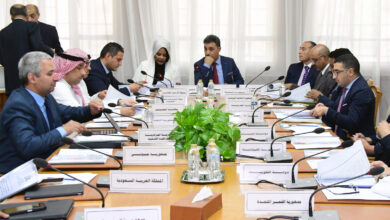
عقدت لجنة الأمم المتحدة المعنية بممارسة الشعب الفلسطيني لحقوقه غير القابلة للتصرف، بالشراكة مع منظمة التعاون الإسلامي، بنجاح مؤتمر عام 2026 بشأن قضية القدس، وذلك في 18 يوليو/تموز 2026 في القاهرة، جمهورية مصر العربية.
وعُقد المؤتمر تحت عنوان: “القدس: خط المواجهة للتهجير والضم، ومفتاح السلام العادل والدائم”، وجمع مسؤولين حكوميين رفيعي المستوى، وقيادات دينية، ودبلوماسيين، وممثلين عن الأمم المتحدة، وخبراء، لمناقشة التحديات الخطيرة التي يواجهها الشعب الفلسطيني في القدس الشرقية المحتلة، بما في ذلك التهجير القسري، ونزع الملكية، والتوسع الاستيطاني، والقيود المفروضة على حرية العبادة، وأعمال العنف.
وفي كلمته الافتتاحية، أكد السفير محمود عمر، مساعد وزير الخارجية المصري، أن القدس الشرقية جزء لا يتجزأ من الأرض الفلسطينية المحتلة وعاصمة الدولة الفلسطينية المستقبلية. كما رفض التهجير القسري والتوسع الاستيطاني والضم وجميع الإجراءات الأحادية الرامية إلى تغيير الوضع القانوني أو التاريخي أو الديمغرافي للقدس. وشدد على ضرورة الحفاظ على هوية المدينة العربية والإسلامية والمسيحية، وصون الوضع التاريخي والقانوني القائم فيها. وكما جاء في كلمته: “ترفض مصر بشكل قاطع كافة تلك السياسات والمساعي، وتدعو لوقفها بشكل فوري.”
وفي كلمته أمام المؤتمر، أكد السفير كولي سيك، رئيس لجنة الأمم المتحدة المعنية بممارسة الشعب الفلسطيني لحقوقه غير القابلة للتصرف، أنه لا يمكن تحقيق سلام عادل ودائم من دون القدس، كما لا يمكن أن تنعم القدس بالسلام من دون تحقيق العدالة. وجدد تأكيد دعوة اللجنة إلى وقف الأنشطة الاستيطانية غير القانونية، والحفاظ على الوضع التاريخي والقانوني القائم في الأماكن المقدسة، وحماية حرية العبادة، والتأكيد أن القدس الشرقية جزء لا يتجزأ من الأرض الفلسطينية المحتلة.
وفي كلمته الافتتاحية، أكد السيد دواس دواس، الأمين العام المساعد لشؤون فلسطين والقدس في منظمة التعاون الإسلامي، أن القدس تظل في قلب القضية الفلسطينية وتشكل عنصراً أساسياً في أي مسار جاد وذي مصداقية نحو السلام. وشدد على أن حماية الطابع التاريخي والقانوني والديني والثقافي للمدينة مسؤولية مشتركة يتحملها المجتمع الدولي، وأن تحقيق السلام الدائم يتطلب إنهاء الاحتلال، وصون الحقوق الفلسطينية، وإقامة دولة فلسطينية مستقلة وعاصمتها القدس الشرقية. وكما جاء في الكلمة، “فالقدس ليست مجرد مدينة واقعة تحت الاحتلال، بل تمثل نقطة الالتقاء بين الحقوق الوطنية والتاريخية والدينية للشعب الفلسطيني، كما تمثل مفتاح الاستقرار والأمن والسلام في المنطقة بأسرها.”
وأكد وزير شؤون القدس في دولة فلسطين، الدكتور أشرف الأعور، في كلمته أن القدس تظل في صميم القضية الفلسطينية، وعنصراً أساسياً في أي مسار حقيقي نحو السلام. وشدد على أن الحل السياسي العادل والدائم لا يمكن أن يتحقق من خلال الاحتلال أو التوسع الاستيطاني أو فرض وقائع أحادية، بل يجب أن يقوم على القانون الدولي، وحق الشعب الفلسطيني في تقرير مصيره، وإقامة دولته المستقلة وعاصمتها القدس الشرقية. وقال: “إن قضية القدس، كما علّمنا التاريخ، لا تُحسم بمنطق القوة والأمر الواقع، بل بإرادة الشعوب وثبات الحق.”
وفي كلمته باسم جامعة الدول العربية، أكد السفير الدكتور فائد مصطفى، الأمين العام المساعد لجامعة الدول العربية ورئيس قطاع فلسطين والأراضي العربية المحتلة، أن القدس تظل محوراً أساسياً لتحقيق السلام العادل والدائم. وشدد على أن السلام لا يمكن فرضه من خلال الاحتلال أو الاستيطان أو الضم أو التهجير، بل يجب أن يقوم على الحقوق واحترام القانون الدولي وإقامة دولة فلسطينية مستقلة وعاصمتها القدس الشرقية. وقال: “السلام الحقيقي لا يقوم إلا على الاعتراف بالحقوق، واحترام القانون، وإنهاء الاحتلال”.
وفي كلمتها نيابة عن الأمم المتحدة، أكدت الدكتورة رانيا المشاط، وكيلة الأمين العام للأمم المتحدة والأمينة التنفيذية للجنة الأمم المتحدة الاقتصادية والاجتماعية لغربي آسيا «الإسكوا»، أن القدس يجب أن تظل مدينة للتعايش والكرامة والسلام لأتباع جميع الديانات. وشددت على أن الإجراءات الأحادية لا يمكن أن تغير وضع المدينة، وأنه يجب حماية طابعها التاريخي والديمغرافي والديني والثقافي. كما دعت إلى احترام القانون الدولي، وضمان المساءلة، وإطلاق مسار سياسي جاد وذي مصداقية يفضي إلى قيام دولتين ذواتي سيادة تعيشان جنباً إلى جنب في سلام وأمن، وتكون القدس عاصمة لكلتيهما. وكما قالت: “يجب ألا تُستخدم القدس للتفرقة، بل يجب أن تظل مدينة تجمع الناس، ويعيش فيها أتباع جميع الديانات جنباً إلى جنب بسلام، ويمارسون حريتهم في العبادة، ويتطلعون إلى المستقبل بأمل.”
وشدد المشاركون على الحاجة الملحة إلى حماية القدس، وصون الوجود الفلسطيني فيها، والحفاظ على طابعها الثقافي والديني والتاريخي الفريد. كما أكدوا أن الإجراءات الرامية إلى تغيير التركيبة الديمغرافية للمدينة وطابعها ووضعها تقوض فرص تحقيق السلام، وتظل موضع قلق بالغ لدى المجتمع الدولي.
ووفر المؤتمر أيضاً منصة مهمة للحوار بين الأديان، حيث تناول قادة مسلمون ومسيحيون الأهمية العميقة التي تتمتع بها القدس لدى الديانات السماوية الثلاث، وحذروا من أن القيود المفروضة على حرية العبادة، والتهديدات التي تتعرض لها الأماكن المقدسة، ومحاولات تغيير الوضع التاريخي والقانوني القائم، من شأنها أن تؤدي إلى تعميق التوترات وتقويض إرث المدينة بوصفها مكاناً للتعايش.
وخلال المداولات، بحث المتحدثون آثار السياسات المستمرة في القدس الشرقية المحتلة، بما في ذلك التوسع الاستيطاني، وهدم المنازل، وعمليات الإخلاء، والقيود المفروضة على الحركة، وغيرها من الإجراءات التي تؤثر في حياة الفلسطينيين في المدينة. وأكد المشاركون مسؤولية المجتمع الدولي عن إعلاء أحكام القانون الدولي، وحماية المدنيين، والحفاظ على التراث الثقافي والديني للقدس، ودعم حقوق الشعب الفلسطيني.
وجدد المؤتمر التأكيد أن قضية القدس تظل في صميم قضية فلسطين، وتشكل عنصراً أساسياً في أي سلام عادل وشامل ودائم. ودعا المشاركون إلى تجديد التحرك الدولي لحماية حقوق الفلسطينيين ووجودهم وسيادتهم في القدس الشرقية المحتلة، وضمان احترام الوضع التاريخي والقانوني القائم في الأماكن المقدسة.
يتوفر برنامج المؤتمر على الموقع الإلكتروني للأمم المتحدة الخاص بقضية فلسطين:
https://www.un.org/unispal/event/2026-conference-on-the-question-of-jerusalem/
Cairo, – The United Nations Committee on the Exercise of the Inalienable Rights of the Palestinian People, in partnership with the Organization of Islamic Cooperation (OIC), successfully convened the 2026 Conference on the Question of Jerusalem on 18 July 2026 in Cairo, Egypt.
Held under the theme, “Jerusalem: The Frontline of Displacement and Annexation and the Key to Just and Lasting Peace,” the Conference brought together senior government officials, religious leaders, diplomats, United Nations representatives, and experts to address the grave challenges facing the Palestinian people in occupied East Jerusalem, including forced displacement, dispossession, settlement expansion, restrictions on worship, and violence.
In his opening statement, Ambassador Mahmoud Omar, Assistant Minister of Foreign Affairs of Egypt, reaffirmed that East Jerusalem is an integral part of the occupied Palestinian territory and the capital of the future Palestinian State. He rejected forced displacement, settlement expansion, annexation, and all unilateral measures seeking to alter Jerusalem’s legal, historical, or demographic character. He also stressed the need to preserve the city’s Arab, Islamic, and Christian identity and its historical and legal status quo. As he declared in his statement: “Egypt categorically rejects all such policies and efforts and calls for their immediate cessation.”
Addressing the Conference, the UN Palestinian Rights Committee Chair, Ambassador Coly Seck, emphasized that a just and lasting peace cannot be achieved without Jerusalem, nor can Jerusalem be peaceful without justice. He reaffirmed the Committee’s call to end illegal settlement activity, preserve the historic and legal status quo at the Holy Sites, protect freedom of worship, and uphold East Jerusalem as an integral part of the occupied Palestinian territory.
In his opening statement, Mr. Dawas Dawas, Assistant Secretary-General for Palestine and Al-Quds Affairs, Organization of Islamic Cooperation, reaffirmed that Jerusalem remains at the heart of the Palestinian cause and is essential to any credible path toward peace. He stressed that protecting the city’s historical, legal, religious, and cultural character is a responsibility shared by the international community, and that lasting peace requires ending the occupation, safeguarding Palestinian rights, and establishing an independent Palestinian state with East Jerusalem as its capital. As the statement emphasized: “Jerusalem is not merely a city under occupation, but the point where the Palestinian people’s national, historical, and religious rights converge, and the key to stability, security, and peace throughout the region.”
In his statement, Palestinian Minister of Jerusalem Affairs Dr. Ashraf Al-Awar stressed that Jerusalem remains central to the Palestinian cause and to any meaningful path toward peace. He emphasized that a just and lasting political solution cannot be achieved through occupation, settlement expansion, or the imposition of unilateral realities, but must be based on international law, the Palestinian people’s right to self-determination, and the establishment of an independent Palestinian state with East Jerusalem as its capital. As he stated: “The question of Jerusalem cannot be resolved through force or imposed facts, but through the will of peoples and the steadfastness of justice.”
In his address on behalf of the League of Arab States, Ambassador Dr. Fayed Mustafa, Assistant Secretary-General of the League of Arab States and Head of the Palestine and Occupied Arab Territories Sector, emphasized that Jerusalem remains central to a just and lasting peace. He stressed that peace cannot be imposed through occupation, settlements, annexation, or displacement, but must be founded on rights, international law, and the establishment of an independent Palestinian state with East Jerusalem as its capital. As he stated: “True peace can only be built on the recognition of rights, respect for the law, and an end to the occupation.”
In her remarks on behalf of the United Nations, Dr. Rania Al-Mashat, Under-Secretary-General of the United Nations and Executive Secretary of the United Nations Economic and Social Commission for Western Asia (ESCWA) emphasized that Jerusalem must remain a city of coexistence, dignity, and peace for people of all faiths. She stressed that unilateral actions cannot alter the city’s status and that its historical, demographic, religious, and cultural character must be protected. She also called for respect for international law, accountability, and a credible political process leading to two sovereign states living side-by-side in peace and security, with Jerusalem serving as the capital of both. As she stated: “Jerusalem must not be used to divide. It must remain a city that brings people together, where people of all faiths can live side by side in peace, exercise their freedom of worship, and look to the future with hope.”
Participants underscored the urgent need to safeguard Jerusalem, protect its Palestinian presence, and preserve its unique cultural, religious, and historical character. They stressed that measures aimed at altering the demographic composition, character, and status of the city undermine prospects for peace and remain a matter of serious concern for the international community.
The Conference also provided an important platform for interreligious dialogue. Muslim and Christian leaders reflected on Jerusalem’s profound significance to the three monotheistic faiths and warned that restrictions on worship, threats to Holy Sites, and attempts to alter the historic and legal status quo risk deepening tensions and eroding the city’s legacy as a place of coexistence.
Throughout the deliberations, speakers examined the impact of ongoing policies in occupied East Jerusalem, including settlement expansion, home demolitions, evictions, movement restrictions, and other measures affecting Palestinian life in the city. Participants emphasized the responsibility of the international community to uphold international law, protect civilians, preserve Jerusalem’s cultural and religious heritage, and support the rights of the Palestinian people.
The Conference reaffirmed that the question of Jerusalem remains central to the question of Palestine and to any just, comprehensive, and lasting peace. Participants called for renewed international engagement to protect the rights, presence, and sovereignty of Palestinians in occupied East Jerusalem and to ensure respect for the historic and legal status quo at the Holy Sites.
The programme and statements are available on the United Nations Question of Palestine website.
https://www.un.org/unispal/2026-conference-on-the-question-of-jerusalem/